

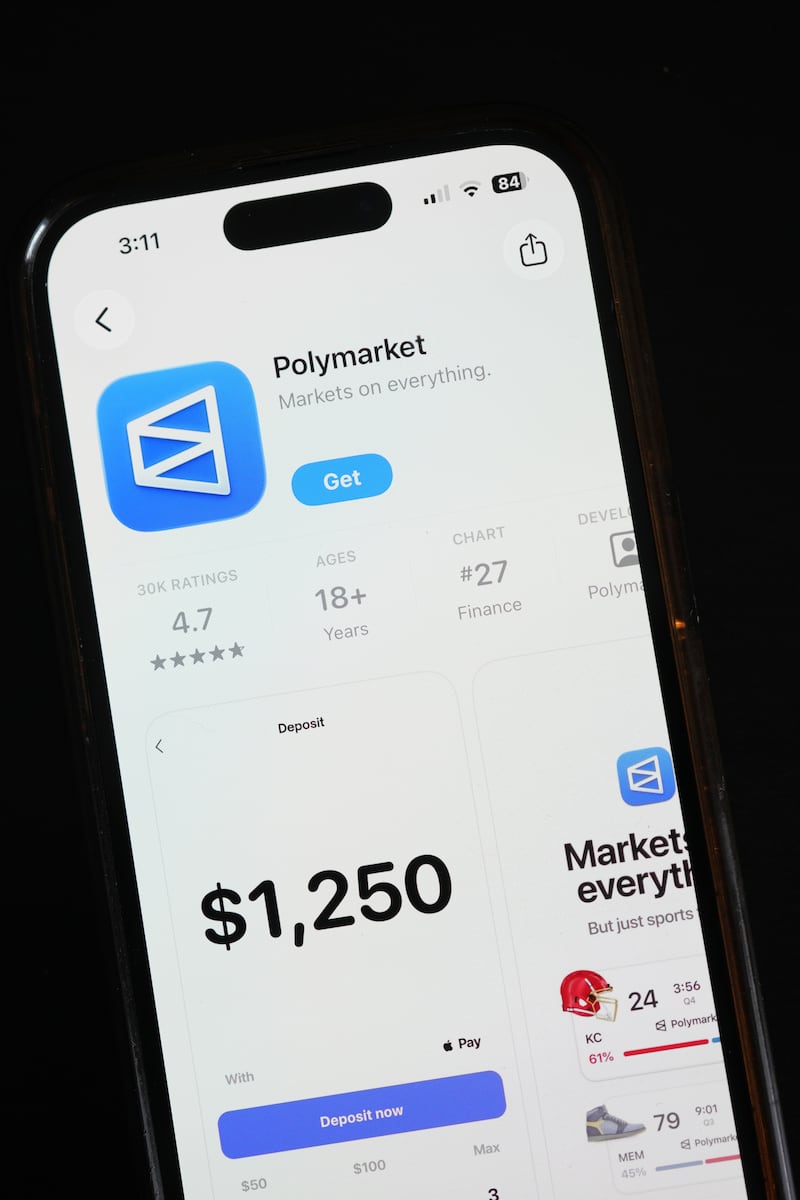
Utah has not legalized sports betting. But this fall, an 18-year-old freshman can nonetheless walk into a dorm room, pull out their phone and wager real money on sports through a so-called “prediction market.”
Platforms like Kalshi and Polymarket let users as young as 18 all across the country gamble on everything from sports to what word might be mentioned at a press conference.
It doesn’t matter what the laws are in Utah or any other state. Unlike traditional online sports betting apps, these platforms don’t abide by state age minimums or other state guardrails, nor do they provide problem gambling resources to prevent addiction.
Instead, these companies insist they are federally regulated financial exchanges — investment tools — not sportsbooks. But for a college freshman with a Venmo balance and a favorite team, the distinction is meaningless. It is sports gambling.

Most parents assume the guardrails are in place. About 80% of voters in Utah believe that prediction markets should be required to follow the same state gaming laws as licensed sportsbooks, according to Morning Consult polling conducted earlier this year.
But prediction markets argue that states cannot regulate them. Working with the Commodity Futures Trading Commission, they contend they are akin to the New York Stock Exchange but for sports. For now, that federal-state fight has left prediction-market access open in Utah even as the state tries to shut it down.
These platforms are also reportedly targeting college campuses with aggressive marketing, sponsoring college clubs and paying student influencers to popularize them with peers. The NCAA has called for the CFTC to pause prediction market offerings on college sports until safeguards are implemented, but that request has fallen on deaf ears.
As your student heads off to campus this fall, they will face hundreds of betting opportunities every week and an advertising blitz already ramping up. Freshmen will see ads during game breaks in dorm lounges. They will watch classmates open the apps between lectures. And they will be told, over and over, that they are not gambling — they are “investing.”
That framing is the most dangerous part. Investing is about ownership, long-term growth and building a future. Wagering on whether the Utes cover the spread on Saturday is not investing, no matter how sleek the interface. Wrapping a bet in the language of Wall Street does not change what it is; it only makes it easier for a smart, financially inexperienced 18-year-old to talk themselves into it.
The science is clear. The prefrontal cortex, the part of the brain that governs impulse control and long-range judgment, is not fully developed until the mid-20s. That is why we do not let 18-year-olds walk into a casino. It is also why the American Psychiatric Association classifies gambling disorder alongside substance addictions, and why young men in college are among the highest-risk populations for developing one.
As you zip up that last suitcase, smooth the comforter one final time and hug your child goodbye, you’ll be thinking about all the things you hope for them — that they will find lifelong friends, stay safe, work hard and make choices that lead toward a bright future.
We can’t walk with our children every step of the way, but we can have honest conversations about the world they’re entering. This fall, make sure one of those conversations is about prediction markets and the risks of conflating gambling with investing.