

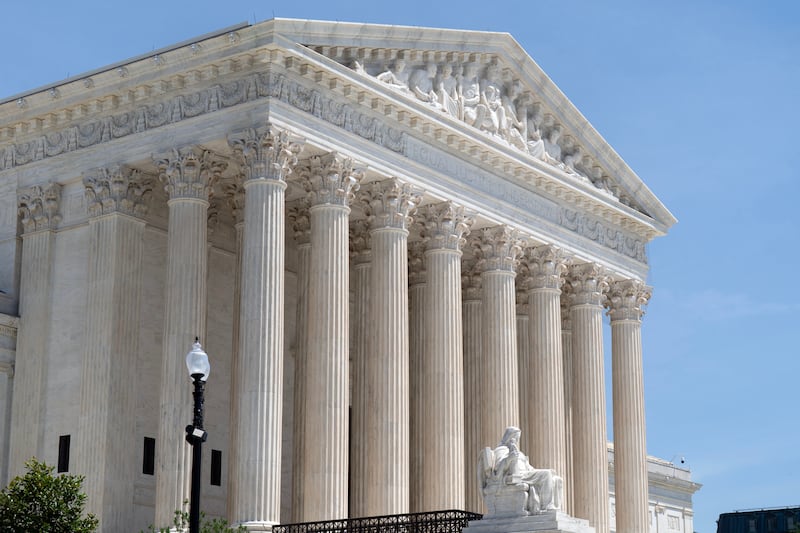

The House rejected an effort from Republicans to advance a constitutional amendment that would cap the Supreme Court at just nine justices, an attempt to thwart proposals from some progressive Democrats to expand the court to 13 seats.
Lawmakers on Wednesday voted 211-206 mostly along party lines, falling short of the two-thirds majority needed to approve a constitutional amendment. All four members of Utah’s House delegation voted to lock the court size.
Republicans have rejected expanding the court for years, accusing Democrats of wanting to “pack the courts” with liberal judges. Rep. James Clyburn, D-S.C., said that expanding the number of justices from nine to 13 is a “pretty good number.”
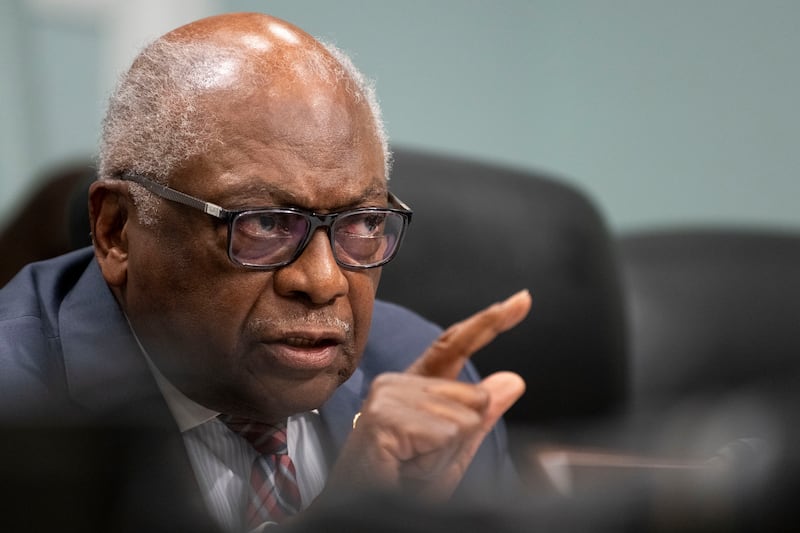
“I think we are in a position now that calls for some significant actions taken by the Congress and we ought to expand,” he told Sunday’s “Meet the Press.” “A baker’s dozen, it would be a good number to have on the court.”
The U.S. Constitution does not currently enshrine how many justices must sit on the Supreme Court. The size of the court has varied since its existence, ranging from six judges in 1789 to seven judges in 1807 to nine in 1837 to 10 in 1863 and then back down to nine in 1869.
The number of seats has always been hotly debated. But not all Democrats support expanding its size, raising concerns it could encourage Republicans to expand the court later if liberal justices hold the majority.
Others said they did not want to give up Congress’ ability to adjust the court in the future.
All but one Democrat, Don Davis of North Carolina, voted against the measure on Wednesday.
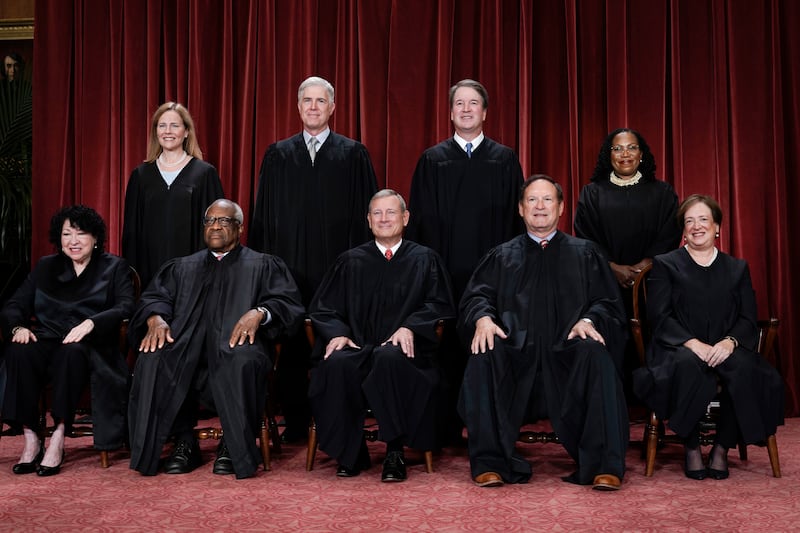
With the current 6-3 makeup, President Donald Trump has seen some big wins at the court this year, But the conservative-majority court delivered him big blows as well, including by striking down his tariffs and dismissing his idea to end birthright citizenship.
Even if the proposal passed the House on Wednesday, it would require two-thirds support in the Senate to pass. It’s unclear whether enough Democrats would back the effort.
After that, the proposal would need to be ratified by 38 of the 50 states.