



- NASA unveiled contract details for putting robotic landers on the moon in 2028.
- Three companies were awarded contracts worth nearly $600 million.
- The landers will gather data on lunar surface for NASA's $30 billion moon base project.
NASA is working to send a small fleet of robotic landers to the surface of the moon in the next few years in an effort to test out new technology and take the first steps toward establishing a manned base near the lunar south pole.
On Tuesday, the U.S. space agency unveiled contract details for three companies tasked with performing four missions to the moon. Astrobotic, Firefly Aerospace and Intuitive Machines were awarded contracts worth over $590 million.
“These new awards to our commercial partners, totaling nearly $600 million to land more missions on the moon with science payloads, demonstrate our commitment to accelerating our effort to build a long-term presence on the lunar surface, and give us more opportunity to develop the skills we need to prosper there,” Lori Glaze, associate administrator for the Human Spaceflight Mission Directorate at NASA Headquarters in Washington, D.C., said in a press statement.
Each of the mission assignments, two of which are scheduled to be performed by Astrobotic, include putting an instrument-laden lander on the surface to perform assessments that will help inform subsequent missions and longer term plans to establish a permanent moon base. NASA said the missions could also include other payloads.
“By flying the same science instruments on multiple landers, we will better understand potential hazards during landing and build out a global network of environmental data and location markers on the moon,” Joel Kearns, NASA’s Science Mission Directorate deputy associate administrator for exploration, said in a press release. “It’s akin to having weather stations in different locations on Earth. These three payloads are flight-proven and their data is critical to supporting safe human exploration of the lunar surface.”
NASA’s mission update
The agency has undergone a significant makeover since President Donald Trump’s appointee, Jared Isaacman, took over as NASA administrator following a U.S. Senate confirmation vote in December.
Under Isaacman, NASA not only wants to return astronauts to the moon’s surface in 2028 but begin the work to establish a permanent base on the moon through frequent trips ferrying equipment and personnel to Earth’s sole satellite.
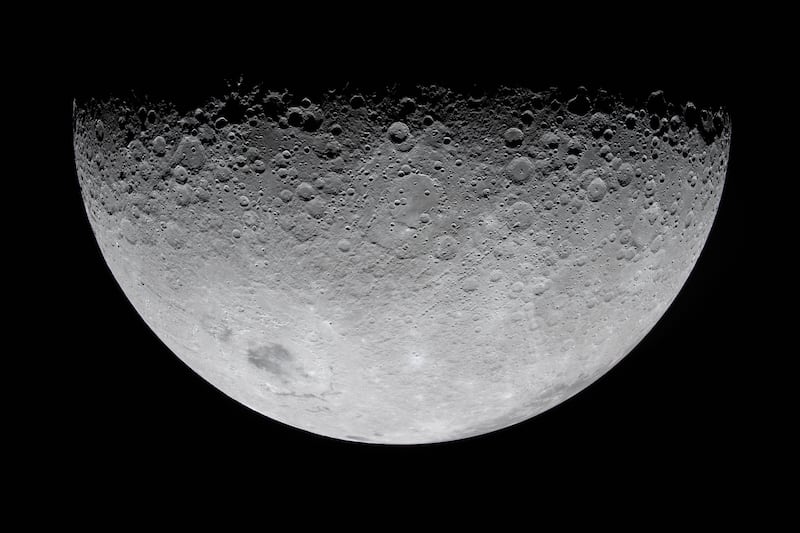
Earlier this year, Carlos Garcia-Galan, program manager for NASA’s moon base project, presented a three-phase plan that would require $30 billion in investment over the next decade.
“Every asset, every kilogram, all the lunar exploration resources that we have are going to be focused on one thing, and that is to build the moon base,” Garcia-Galan said, per a March report from Astronomy.com.
NASA took a big step toward accomplishing its longer term goals for lunar development in April when the Artemis II mission carried four astronauts on a lunar flyby that set a new record for distance traveled from Earth by a manned spacecraft.
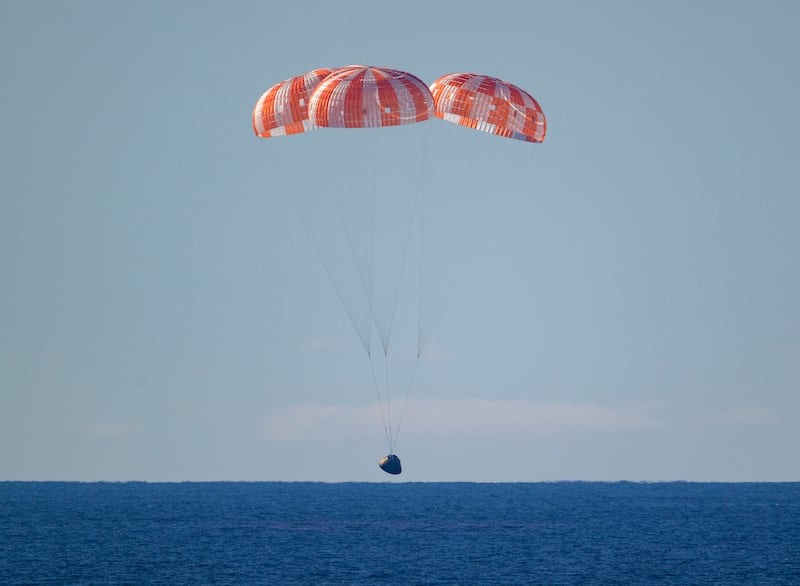
Despite some minor glitches, Artemis II and its crew completed all of its major goals. Those included setting a new distance record for human space travel on a route that took the crew past the moon, over 252,000 miles from Earth. That mark surpassed the previous record, set by the Apollo 13 mission in 1970 by over 4,000 miles. The crew traveled nearly 700,000 total miles on its journey before a successful splashdown off the coast of San Diego on April 10.
While Artemis II set the table for a manned lunar landing as early as 2028, before that happens, a mission planned for next year aims to test out the process of docking the Orion capsule with lunar landers currently being developed in separate competitive tracks by SpaceX and Blue Origin.
According to NASA’s Tuesday announcement, Astrobotic was awarded $297.9 million total for two deliveries, along with Firefly Aerospace $144.2 million and Intuitive Machines $148.3 million for one delivery each as part of the agency’s Commercial Lunar Payload Services initiative, an effort the agency says is “a backbone of the Moon Base.” Each of the contractors will use updated versions of already-flown lander designs to enable increased mission cadence, NASA said.
“We’re building a proving ground for Moon Base operations,” said Ryan Stephan, NASA’s Moon Base acting director of cargo landers. “Accelerating our moon mission ordering cadence and launch opportunities enable us to move quickly to learn, iterate, and improve.”