

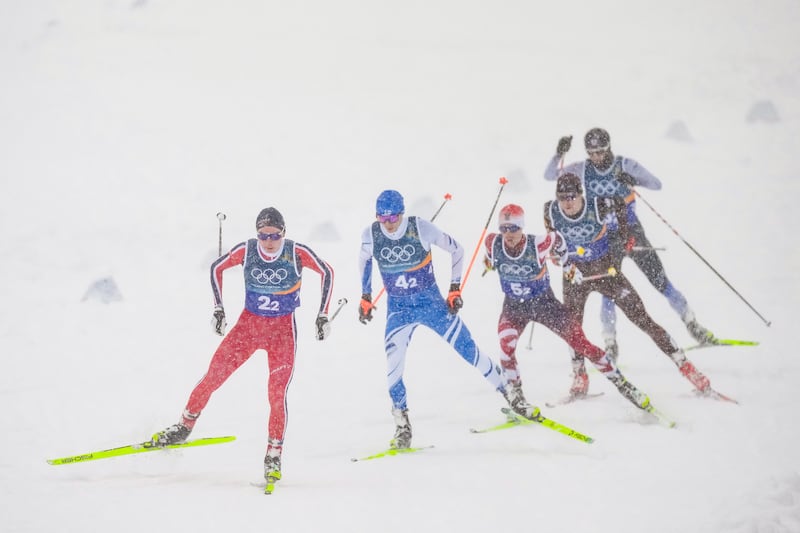

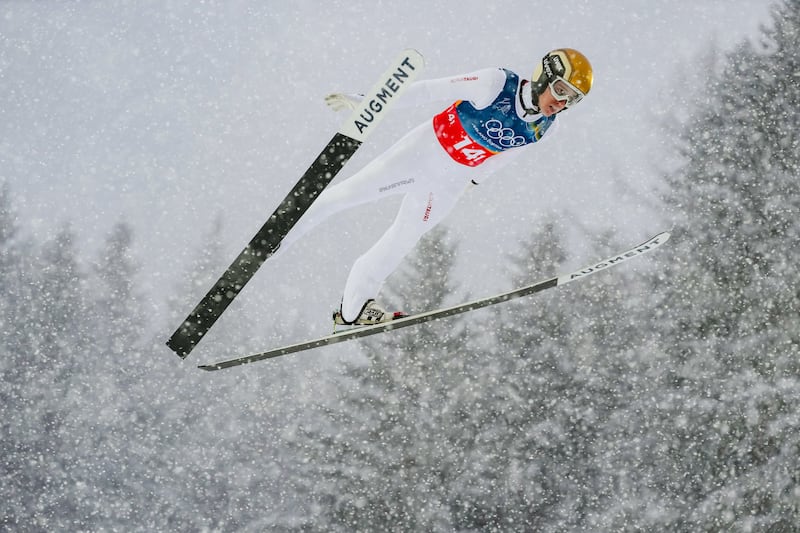
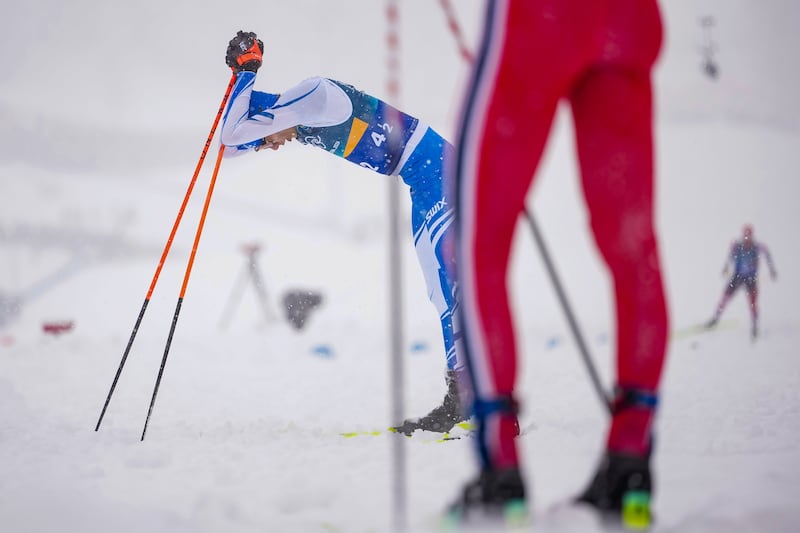
Nordic combined, which includes both ski jumping and cross-country skiing, is one of only a few sports that’s been part of every Olympics since the first Winter Games more than a century ago, in Chamonix, France, in 1924.
Now, the sole Winter Games sport where women do not compete has been dropped from the next Winter Games, coming to the French Alps in 2030 even as freeride skiing and snowboarding, synchronized skating, and ski mountaineering have been added to the program.
But the International Olympic Committee’s decision announced this week doesn’t mean the sport won’t be part of Utah’s 2034 Winter Games.
That’s what IOC President Kirsty Coventry told reporters when asked what she would say to the Nordic combined athletes around the world who were stunned by the unusual move to cut a sport from the Winter Games.
“The message to the athletes is one that we know, and can fully understand that this may come as a disappointment,” said Coventry, a double Olympic champion swimmer from Zimbabwe who was elected last year as the IOC’s first woman and first African leader.
“But we’ve also had very good conversations with the international federation on what the expectations would be in the future and that the possibility could always remain open for 2034,” she said.
Why Nordic combined was cut from the Olympics
The decision to pull Nordic combined from what’s being called the “Alpes 2030″ Olympics was based on how many people followed and nations participated in the sport over the past several Winter Games, according to IOC Sports Director Pierre Ducrey.
Ducrey said the numbers, including from the 2026 Winter Games in Milan Cortina, Italy, didn’t justify a place for Nordic combined at the next Olympics. He also stressed, however, that the sport could return.
“Although today we identify a number of issues in the popularity and on the universality of the discipline, there is a path as per the new strategy we validated two weeks ago to come back for 2034,” he said. “We will study it again, very closely.”
The push to make the 2030 Winter Games the first with the same number of male and female athletes wasn’t a deciding factor, Ducrey said, describing the debate as over Nordic combined’s “low popularity and their having a high concentration of a few countries at the top.”
The IOC’s “new strategy” is a systematic review seven years ahead of both the Summer and Winter Games that will use data to compare the global appeal, representation, cost and operational complexity of each sport discipline, including any proposed additions.
‘Everything is under consideration’ for 2034
Utah’s next Winter Games will be the first subject to the new methodology. At this point, organizers aren’t planning to propose any new disciplines beyond what was added to the French Alps Games, but do expect to take another look at Nordic combined.
“Everything is under consideration,” said Fraser Bullock, president and executive chair of the Organizing Committee for the 2034 Olympic and Paralympic Winter Games. “We’ll do our evaluation of everything.”
Ultimately, though, the IOC will have the final say.
“Whether we decide to add anything or delete anything, that will be subject to our discussions with the IOC and our analysis,” Bullock said, adding the IOC’s decision on Nordic combined hit many Utahns hard.
“That is a very difficult decision and I know many in our community here in Utah are disappointed,” he said. “Obviously, we have incredible athletes from Utah who have done very well in that,” including America’s only Nordic combined Olympic champion, Billy Demong.