

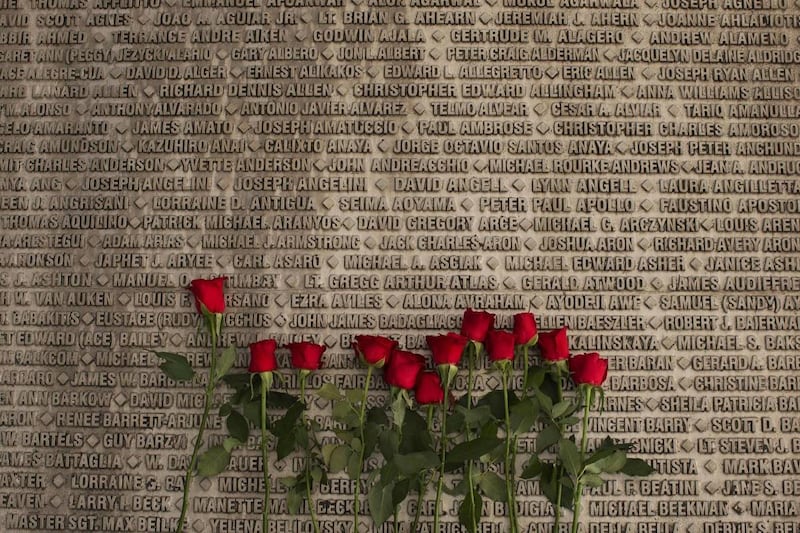

A quarter century has passed since the devastating, horrifying terrorist attacks of September 11, 2001. This important anniversary provides a worthwhile incentive to reflect on as well as analyze the lessons of the events — and the aftermath.
On a sunny September morning 25 years ago, al-Qaeda terrorists highjacked four civilian aircraft departed from East Coast airports and turned them into extremely effective lethal suicide weapons of mass murder. Box cutters, which could pass through security monitors, or if detected were allowed at that time, were the weapons.
Two of the planes slammed into the Twin Towers of the original World Trade Center in New York City, causing structural damage sufficient that they collapsed.
Another plane crashed into the Pentagon, causing extensive damage and fires. The fourth aircraft, probably headed for the Capitol or the White House, did not succeed in reaching the target. Courageous passengers, aware of what was happening, tried to take back control. That plane plummeted into a field in Pennsylvania, killing everyone on board.
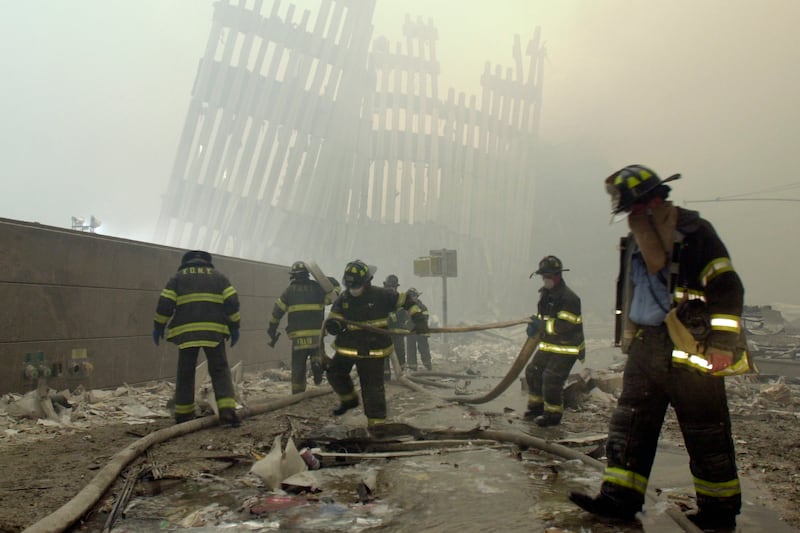
The death toll from these partially successful atrocities was high. A total of 2,753 people were killed in the World Trade Center attacks. People were seen to jump from the burning structures as a preferred alternative form of death. Adding deaths at the Pentagon and in the crash in Shanksville, Pennsylvania brings the total to 2,977.
Total people injured is more difficult to calculate, given concentrated urban populations involved, delayed onset of symptoms of some injuries and the general chaos and confusion resulting from the strikes. Approximately 10,000 people in New York were treated immediately for serious injuries.
Individual and collective heroism characterized reactions to the unprecedented attacks, including and reaching well beyond the passengers in the sky over Pennsylvania who faced almost certain death but decided — immediately and collectively — to act to at least defeat the terrorists.
New York Mayor Rudy Giuliani on this occasion demonstrated he was up to the challenge, showing impeccable judgment and calm courage that reassured the public suffering from collective shock. Likewise, Defense Secretary Donald Rumsfeld, at work in his Pentagon, immediately headed toward the devastation and pitched in to rescue and help survivors.
Initially, President George W. Bush and his administration reacted effectively and successfully to the shocking attacks. President Bush was in Florida visiting a school when the attacks occurred. The trip was immediately interrupted, he boarded Air Force One and wisely went to secure military installations in Louisiana and Nebraska, not immediately to Washington D.C.
Phone calls en route reconfirmed the influence of Vice President Dick Cheney and National Security Adviser Condoleezza Rice. National disaster relief and rescue personnel were dispatched to New York City and the Pentagon.
In a particularly effective move, Bush visited Ground Zero in Manhattan, demonstrating personal commitment. Standing atop rubble and debris, his arm around the shoulders of a firefighter, he spoke emotionally and effectively of prayer, patriotism and solidarity.
Initially, there was also international solidarity. The UN Security Council supported the U.S.-led invasion of Afghanistan, where al-Qaeda had sheltered.
Immediately after the 9/11 terrorist attacks, French military aircraft patrolled the skies over North America. This was the first implementation ever of Article 5 of the NATO Treaty, which stipulates an attack on one member is an attack on all.
Then came blurred expansion of our response. Bush declared an open-ended “war on terror” and we invaded Iraq, resulting in continuing strategic instability.