

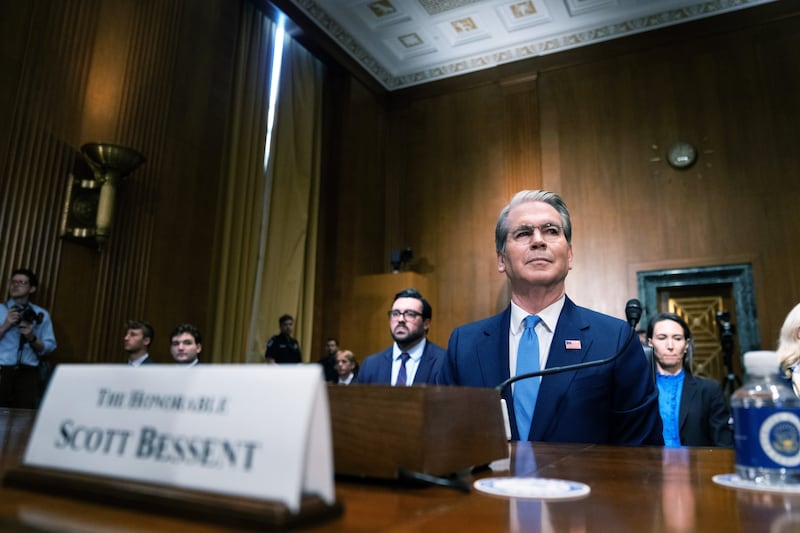

U.S. Treasury Secretary Scott Bessent testified before the Senate Finance Committee on Wednesday, facing questions from lawmakers regarding the administration’s fiscal year 2027 budget plans and an IRS legal settlement involving President Donald Trump.
Committee Chairman Mike Crapo, R-Idaho, opened the hearing by highlighting the economic outcomes of the administration’s tax policies. Ranking Member Ron Wyden, D-Ore., focused his opening remarks on the details of an IRS legal agreement, which he characterized as a “dirty settlement.”
Here are four takeaways from Wednesday’s congressional hearing:
What Bessent said about the Trump administration’s budget plans for 2027
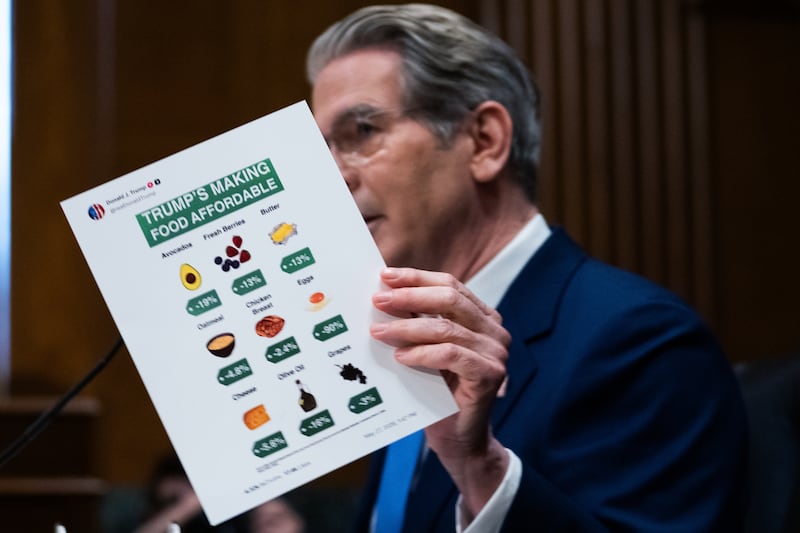
In his opening statement, Bessent defended the administration’s economic record, calling the latest filing season the most successful in IRS history. He cited data showing that 62 million tax returns claimed at least one of the administration’s new tax cuts, including no tax on tips and no tax on overtime pay. According to Bessent, the average taxpayer refund increased by over 11%, with total refunds increasing by 18%.
Bessent testified that the administration’s fiscal plan has and continues to rely on a combination of tax cuts, regulation and trade adjustments.
“Separately, any one of our initiatives on tariffs, tax cuts, and deregulation would be substantial. Taken together, they are transformative,” Bessent said, stating that the policies are intended to drive lower taxes and greater prosperity. He told the committee he looks forward to building on those policies in the upcoming budget proposal.
Treasury secretary declines specifics on IRS settlement, citing ongoing litigation
Democratic lawmakers repeatedly questioned Bessent on whether Trump, his family and his businesses would receive immunity from IRS audits under a recent legal settlement. The questioning followed the administration’s decision to drop plans for a $1.78 billion compensation fund for individuals who believe they were unfairly targeted by the Biden administration.
Bessent declined to provide specific details about the terms, citing active legal proceedings.
“There’s continuing litigation, and I’m unable to comment on ongoing litigation,” Bessent told lawmakers. He noted that the Treasury Department is represented by the Justice Department and must follow the guidelines of the finalized agreement.
The response drew criticism from committee members, including Sen. Catherine Cortez Masto, D-Nev., who accused Bessent of dodging accountability. Some Republicans also voiced concerns. Speaking to reporters outside the chamber, Sen. Bill Cassidy, R-La., stated, “I don’t think any American should have a deal like that,” according to The Associated Press.
Cortez Masto asked if the roughly 400,000 other taxpayers whose information was leaked by a former IRS contractor, would receive the same legal treatment as the Trump family.
Bessent did not answer the question directly, repeating that the Justice Department is currently handling the ongoing litigation. On whether all taxpayers would receive identical treatment, Bessent said, “We will follow the instructions and the settlement.”
Bessent clarified his role at the Treasury and IRS
Lawmakers asked Bessent to clarify his exact legal authority at the IRS. Bessent took over IRS commissioner duties two months ago, according to a post on the agency’s website on March 13.
Bessent noted that his official term as acting IRS commissioner has expired.
He also clarified that although his time as acting commissioner concluded, he still maintains the authority to perform the functions of the commissioner while the position is vacant.
When pressed by Cortez Masto on his official title, Bessent rejected the label of acting commissioner. He explained that because the IRS is a bureau within the Treasury Department, the responsibilities naturally elevate to the secretary’s office during a vacancy.
“For the purposes of public and transparency, I am performing the duties of the commissioner,” Bessent said.
Bessent addressed past tensions with incoming director of National Intelligence
Sen. Thom Tillis, R-N.C., asked Bessent to clarify his relationship with Bill Pulte, who was named Tuesday as the incoming director of National Intelligence while keeping his role as head of the Federal Housing Finance Agency. Pulte replaces Tulsi Gabbard, as previously reported by The Deseret News.
Tillis asked about an altercation between the two men last year, questioning whether Bessent had threatened to punch Pulte in the face.
“No sir. I actually said I was going to kick his (expletive),” Bessent replied.
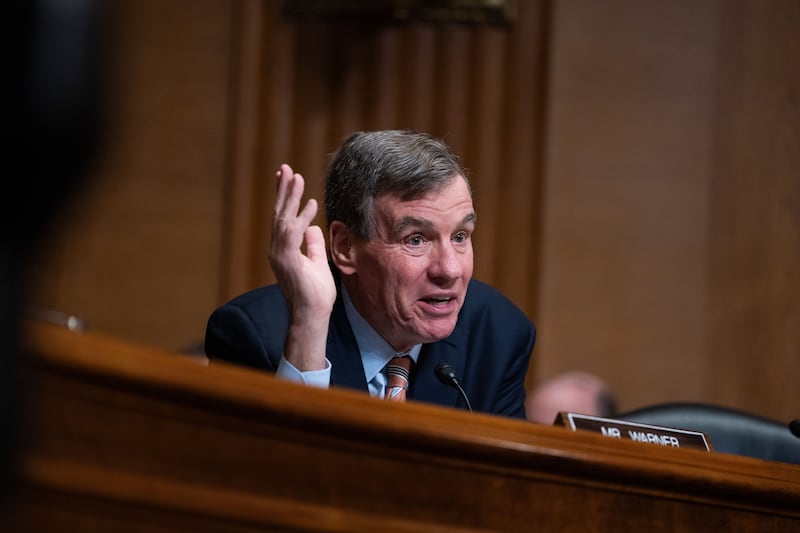
Sen. Mark Warner, D-Va, also questioned Bessent regarding Pulte’s dual appointments and whether Pulte could effectively manage both agencies simultaneously. Bessent stated he had reached out to Pulte on Tuesday to offer congratulations and discuss pressing matters regarding Iran.
Downplaying past friction, Bessent remarked, “Sir, many teams squabble in the locker room and go out on the field.”