


BrandView
This story is sponsored by Southern Utah University. Learn more about Southern Utah University.
It wasn't like we all went to the magic store, bought some magic beans and we all ate them and became good football players. It literally was the three of us working together, working often and working hard. It wasn't an accident. – Miles Killebrew
CEDAR CITY — As the NFL Draft wait reaches its final week, Miles Killebrew’s nerves morph into a sense of excitement and relief.
“You can only be nervous for so long,” he says with boyish chuckle, during a phone interview with the Deseret News from his hometown just outside of Las Vegas. The winding months-long process has finally reached the homestretch and with that, his chance to live out a one-time pipe dream.
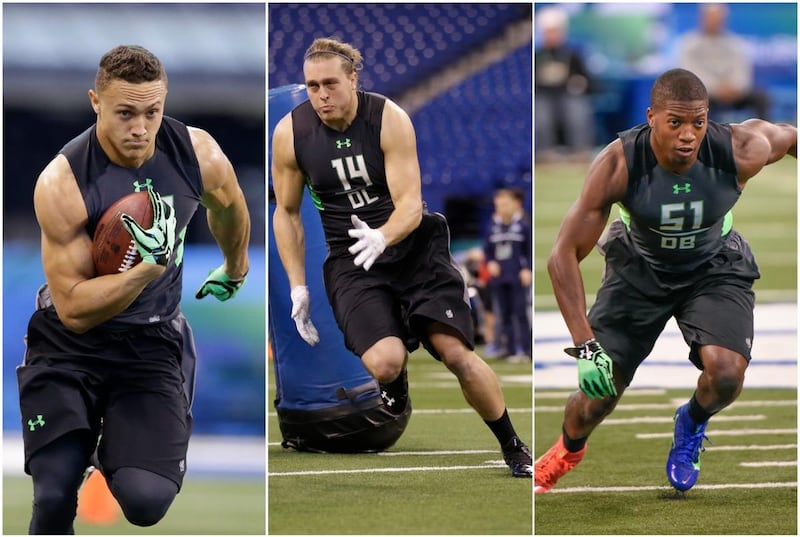
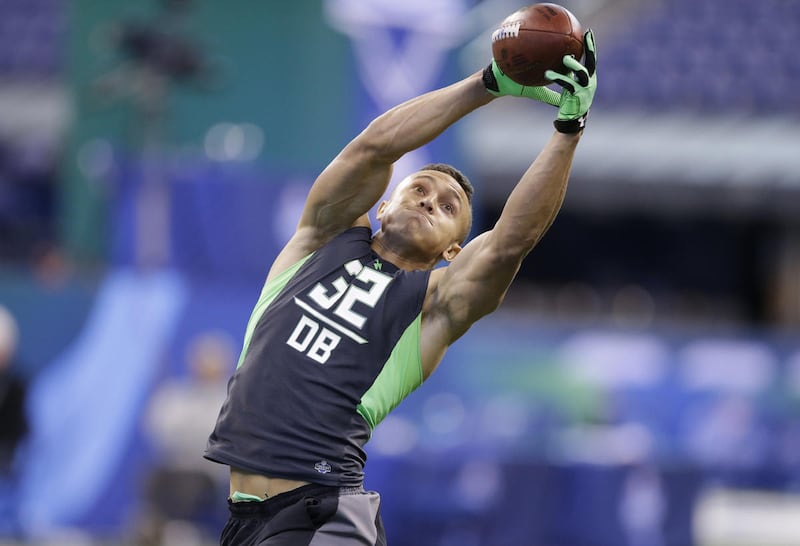
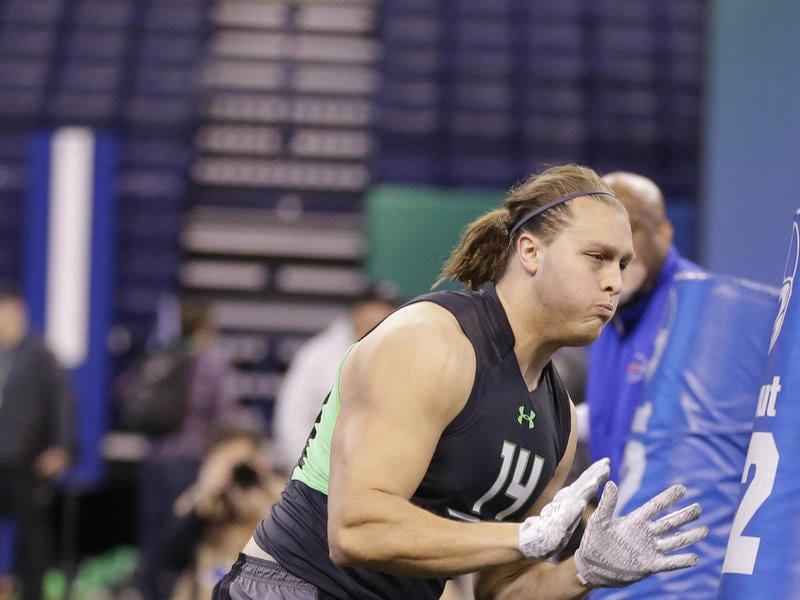
For him, it’s already been a surreal journey featuring meetings with professional teams and even praise from legendary cornerback Deion Sanders at the NFL Combine in February. When the draft, which begins Thursday night in Chicago, wraps up Saturday, the former Southern Utah University safety will be on an NFL squad. That’s almost certain, but getting to this position was anything but certain just five years ago.
In 2011, Killebrew was a no-star high school recruit with just one Division I scholarship offer on the table, and he took it. However, Killebrew’s route to the NFL Draft is immensely similar to that of two of his former teammates at SUU that could very well also land in this week’s draft. That in itself is an uncommon sight.
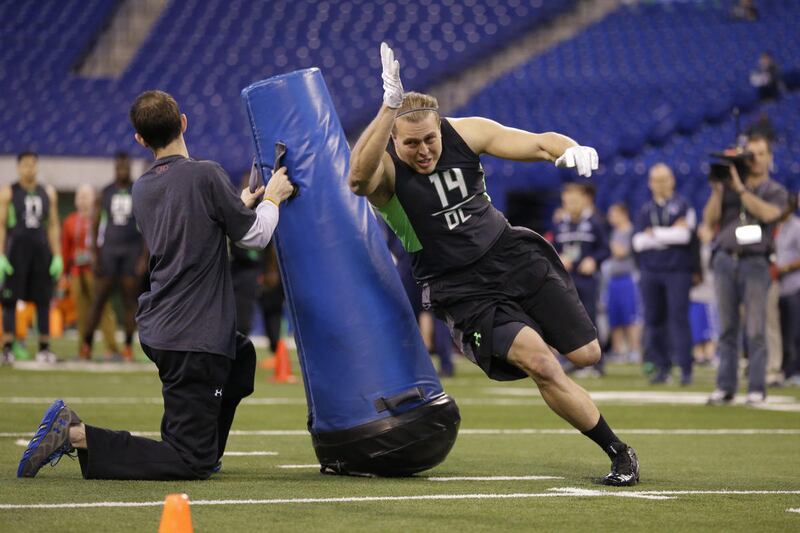
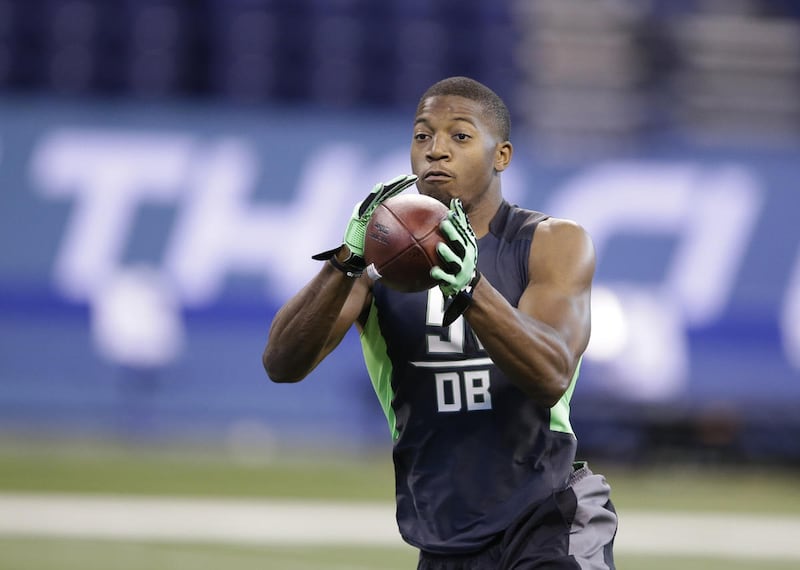
Since SUU’s football program debuted in 1963, the school didn’t produce a single draft pick until 2012 when San Diego selected quarterback Brad Sorensen in the seventh round of that draft. Now Killebrew, defensive end James Cowser — the FCS’s all-time sack leader — and cornerback LeShaun Sims are on the verge of making the small school in Cedar City the unlikeliest of draft powerhouses.
How SUU landed NFL talent
The story of how SUU produced three pro football-caliber draft prospects for the 2016 draft actually began seven years ago during SUU’s 2009 freshman recruiting class. James Cowser wasn’t just playing basketball at Davis High, he was Region 1 MVP and leading the Darts with 12.3 points per game, in addition to playing football.
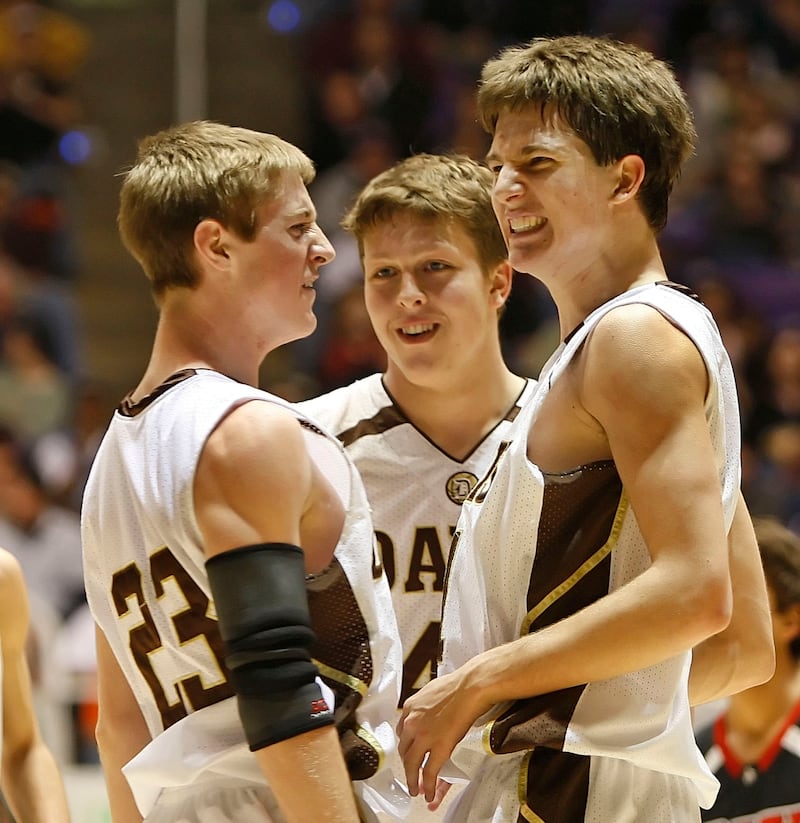
“I loved basketball just as much as I loved football,” Cowser said, recalling his high school days — though admitting the balance of the two would gravitate toward whichever sport was in-season at the time. “All my friends were basketball players. My school was a basketball school.”
That said, he knew his hoops career would likely end once high school finished, given his basketball position and his size.
“I was a 6-foot-3 (center),” he said, laughing. “I mean I played bigger than I was, and I was good. I was region MVP and all that.”
Though he played on Davis’s football team, he certainly wasn’t setting opposing offenses’ backfields ablaze like we wound up doing collegiately. In fact, while recruiting services dish out stars to the top prospects across the country, Cowser was a no-star recruit and at the time a 210-pound defensive lineman. However, he saw the potential he had in himself, as did Utah’s two FCS programs, SUU and Weber State.
Both schools offered Cowser, but a miscommunication in SUU’s scholarship offer nearly cost the Thunderbirds the eventual FCS all-time leader in tackles for loss and sacks to their current in-conference, in-state rival Wildcats.
After visiting the school in Cedar City, the coaches at SUU formed an impression that Cowser wasn’t interested and reduced their full offer to a partial scholarship, with the belief that full scholarships were for those fully committed to the program. FCS programs can offer less than a full scholarship.
“In my mind, it was like ‘Well, they just made my decision for me’ even though I liked (SUU),” Cowser said, noting that he was “really close” to taking the offer from Weber State after coming away from his visit to Cedar City. “But it was actually my mom that stepped in and was like, ‘No, c’mon now. This isn’t right.’”
Cowser insisted that he indeed was interested in what SUU had to offer. He liked the coaching staff and the way workouts were conducted. The team’s defensive coaches, especially defensive line coach Ryan Hunt, believed he was a “special” talent. The coaches had previously worked with Cowser when had visited for a football camp hosted by SUU.
“We really knew what we were going to get because we had seen him in live action with our summer camp,” Hunt said. “He was relentless; he never stopped, and I could see the upside with his burst and suddenness. He actually played defensive tackle; he played inside more than he did defensive end — and also the accolades and stuff he had in basketball. There’s a lot of carry over with that athleticism.
“All that together, we knew that he was unique and special that way.”
So Hunt and the other coaches, including then-head coach Ed Lamb piled in a car and drove from Cedar City to Cowser’s home in Fruit Heights for an official home visit, where both sides cleared the air regarding the scholarship situation.
“As soon as coach Lamb had said ‘Hey, this is what we’re going to offer you’ — basically a full-ride — James winked at his mom, and he had made his decision at that time that SUU was the place,” Hunt said.
However, it would take three more years before the coaches’ home visit would pay off on the gridiron.
Two years after landing Cowser, who at this time was serving an LDS Church mission, SUU’s defensive backs coach Demario Warren and the other defensive coaches focused their attention to a pair of defensive backs in southern Nevada. Both, like Cowser, were no-star recruits, but Warren saw NFL-like size, speed and physicality from both of them.
Though SUU had not sent a single player into the draft at this point, a few T-Birds had cracked NFL rosters through the undrafted free agent route, and Warren coached a few cornerbacks garnering interest from professional teams in 2011.
LeShaun Sims played at Andre Agassi Prep, which didn’t even play with 11 players on the field during his freshman year — the high school’s first year with football. In fact, Sims was the program’s first ever player to land a college scholarship when SUU offered.
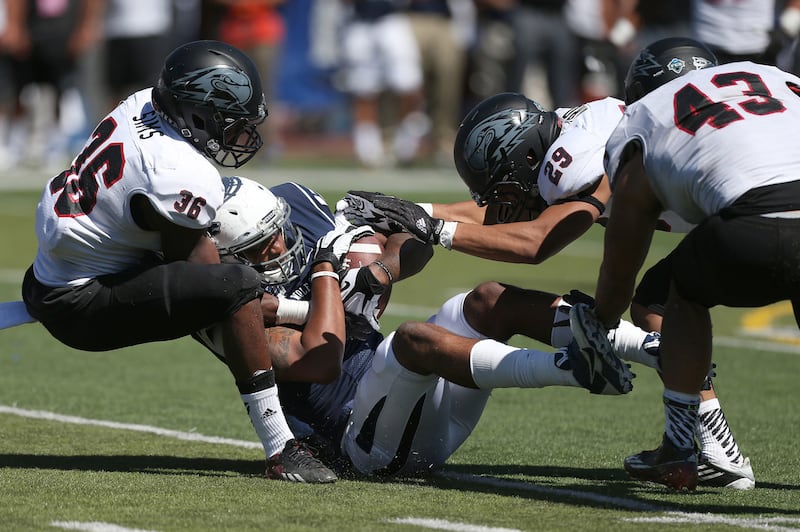
In looking at Sims’ game tape from high school, Warren said one play in particular caught Lamb’s eye and opened the door to further pursuing him for SUU’s 2011 freshman class. Sims chased down a receiver that appeared destined for the end zone and tackled him at the 1-yard line in the clip.
“It just showed the character he had,” Warren said. “He was going to compete no matter what the situation was. He had the speed to catch him, but also he wasn’t one of those kids that was going to let the guy score and give up on the play.”
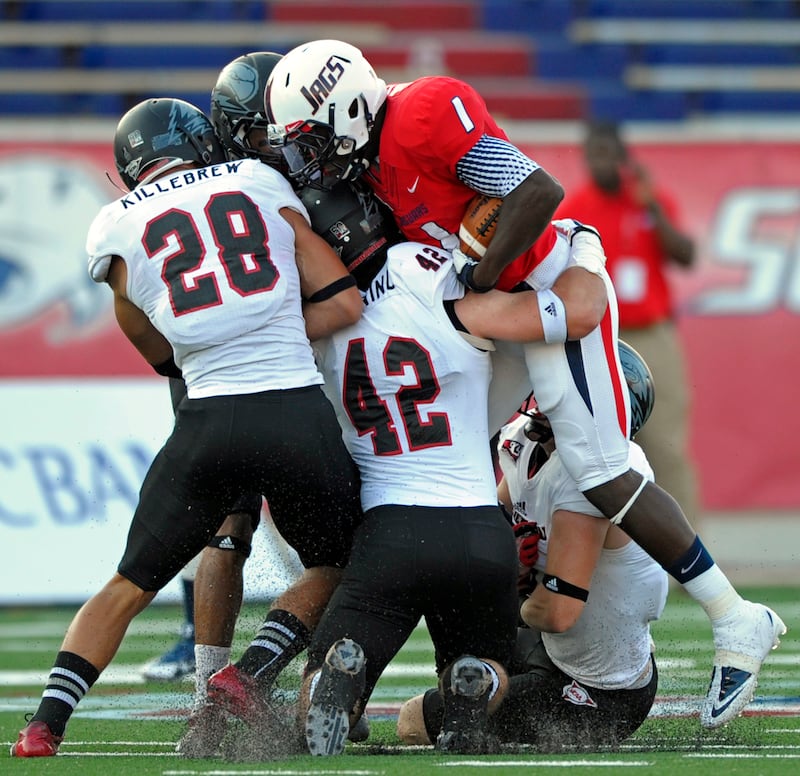
Then there was Miles Killebrew, who in many ways fit the same bill as Sims with his size and physicality. Killebrew, much like Sims, had just one Division I offer on the table, which came from SUU. He remembers Utah State’s football coaches scouting him during a basketball game in Utah between Foothill High in Henderson, Nevada, where he prepped in both football and hoops, and Lone Peak High, but USU only offered him a shot to walk-on.
He also saw interest from small schools in California and Colorado, but the overall options were slim. However, his interest at SUU exceeded the scholarship offer.
“I trusted them; I trusted the coaching staff there and I saw that they also had a desire for me to reach my potential — both as a man and as a football player,” Killebrew said. “My family obviously trusted them too. It was a family decision to go there. Coach Warren, coach (Aaron) Fernandez and of course coach Lamb, they all made an impression on me and my family that, hey, if I go to SUU, I’m going to be in an environment that I can be cultivated into becoming a better player and a better man.”
It didn’t take long after that for the recruiting to result to success on the field.
From no-star recruits to four-year starters
Warren thought Killebrew had potential to perhaps knock on NFL’s door one day, but it didn’t take long before he knew for sure Killebrew was going to be special.
In his first season at SUU, Killebrew broke his collarbone in practice during a special teams drill playing on the scout team. Nobody on the field, other than Killebrew, had any idea he was in pain and the true freshman, broken collarbone and all, lined up and ran the drill again.
“So he ran down and tried to do it again,” Warren said, recounting the drill. “I think he was in on the tackle during the second time, and so he hobbled off the field, got checked out and he had a broken collarbone. He was out the rest of the season, but right then we knew he had the mentality that he was going to be persistent about being great."
Sims also sat out the 2011 season redshirting, and when 2012 rolled around for the school’s first year in the Big Sky Conference, SUU had a defensive group chock-full with young talent. Cowser, now returned off his mission, Killebrew and Sims each started, though true freshman linebacker Zak Browning led the team with 115 tackles that season.
Counting his redshirt 2009 year and two years away from football on his mission, Cowser spent nearly four years away between his last game in high school and first in college. However, he broke the school’s freshman record with 7.5 sacks and also had compiled 13.5 tackles for loss.
Killebrew finished the season third in tackles with 69 and also blocked a punt that he had returned for a touchdown that helped in the T-Birds’ upset of then-No. 1 Eastern Washington in October that year. Sims co-led the defense with three interceptions, including one off future Oregon quarterback and 2016 draft prospect Vernon Adams in that Eastern Washington upset. He also broke up a potential game-winning touchdown in the same never-say-die-type fashion that won over SUU’s coaches on the recruiting trail.
“There was a play where the ball goes up and the (EWU receiver) catches it in the back of the end zone and he falls on the ground and LeShaun dives on top of him and knocks the ball out right before they call it a touchdown,” Warren recalled. “I think that was third down, so they had to kick a field goal right after that. So he saved four points and we ended up winning by three.”
The growth from that freshman campaign continued over the next three seasons.
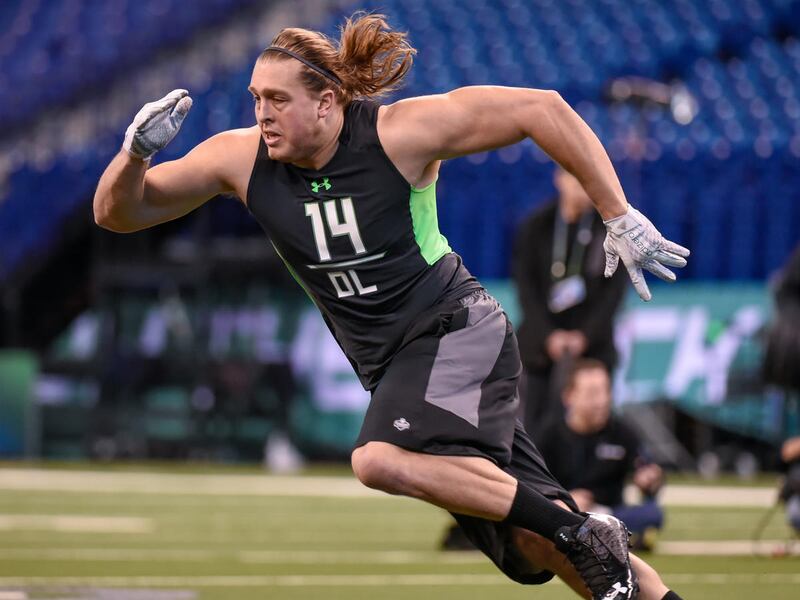
SUU Defensive Trio StatsCreate bar chartsCowser went on to break two FCS records with 43.5 career sacks and 80.5 tackles for loss (TFL), including at least 19 TFLs per year in each of his final three seasons and 29 TFLs in 2014 alone. He ended his career with 293 total tackles, and his sacks and TFL numbers surpassed former Idaho State great and NFL star Jared Allen as the Big Sky record holder in each category.
“I didn’t think this guy’s going to be the leader in FCS football with sacks and (tackles for loss). But the work he put in and the commitment he had, that’s what happens,” Hunt said, reflecting on how Cowser's college career panned out.
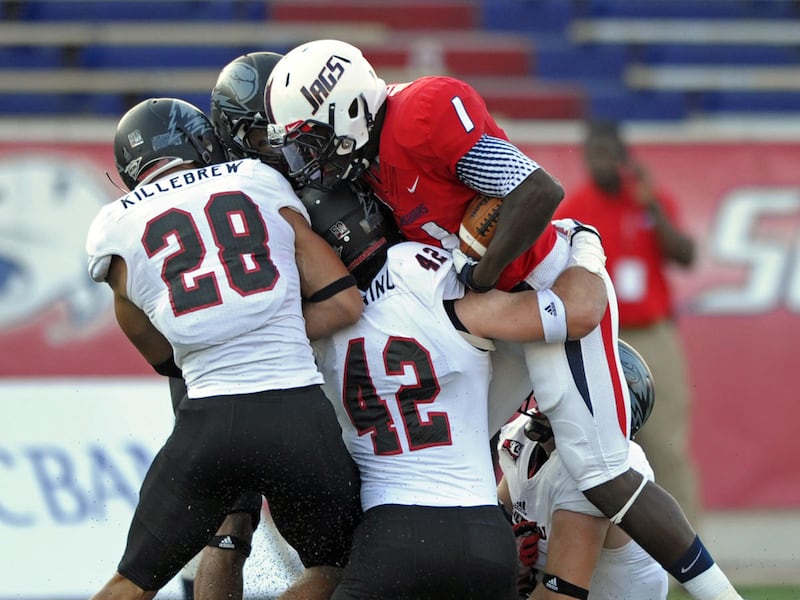
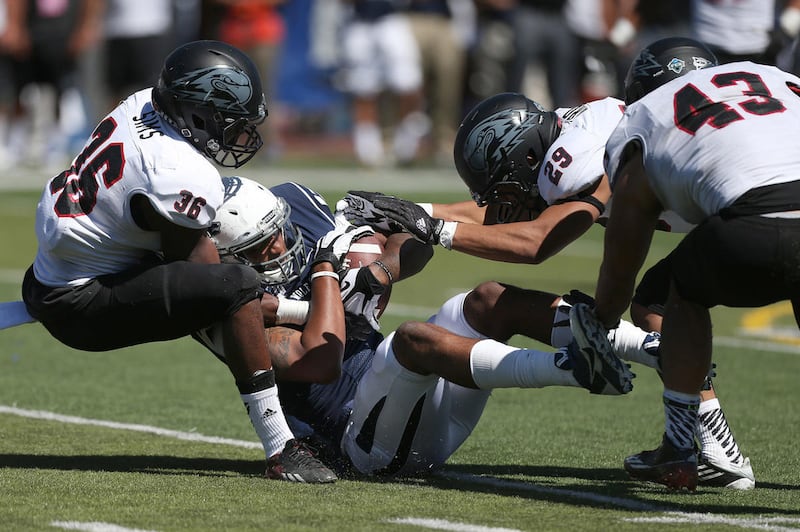
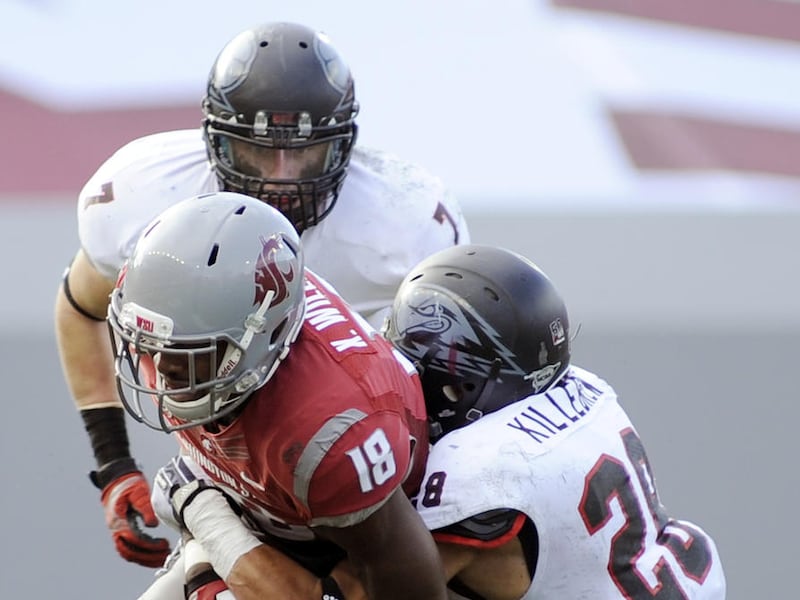
Killebrew finished with 356 career tackles, including a team-high 132 tackles his senior season after 101 tackles as a junior. He also finished among the team leaders in pass breakups and passes deflected in his final two seasons and intercepted three passes in his junior season. Sims compiled 25 pass breakups, 33 pass deflections and eight interceptions, and he led the team in pass breakups during his final two seasons.
The trio’s senior year was the unforgettable one, however.
The T-Birds overcame an 0-2 start to the season to rattle off seven straight wins and eventually win the Big Sky outright after defeating Northern Arizona 49-41 in the final game of the regular season, which quickly comes to mind for each player regarding their top memory at SUU.
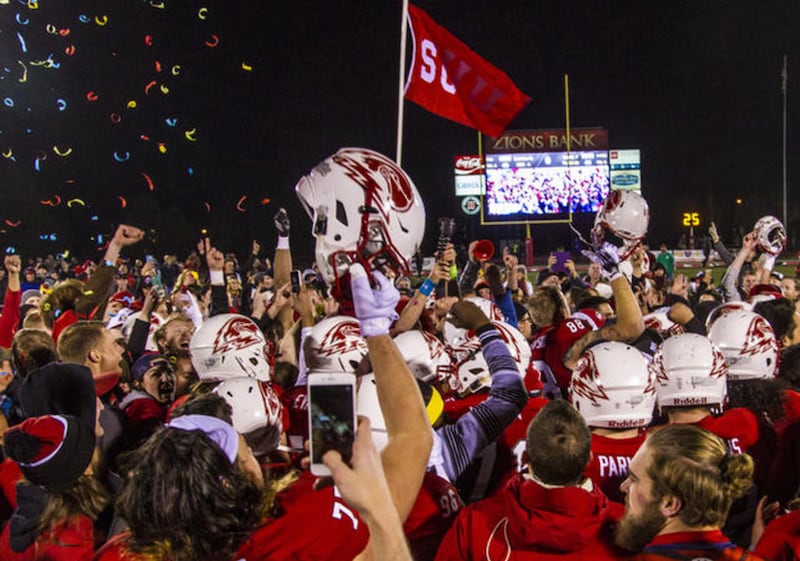
“Between the three of us, and of course you can include special teams in this, we had over 10,000 football plays played in our careers just between us three,” Killebrew said. “It’s rare to have that much experience at any level.”
All three quickly became leaders in the locker room, as well.
Cowser never stopped watching game tapes and studying, becoming a master technician at his position. Hunt said he'd notice Cowser would log into Hudl, where the team uploaded scouting video, and watch six or seven hours of tape each week on his own time.
"I just wanted to be better and I wanted to win. It's just as simple as that. I figured if I watched the film, I could maybe get an advantage on somebody," Cowser said, regarding the hours of film he'd watch.
Killebrew, Warren said, never stopped asking questions and picking the brains of the coaches to see what he needed to do to succeed on the field.
Sims, whom Warren described as "one of the quietest" players he has ever coached, eventually began to ask questions to get a feel of where each defensive player needed to be on the field.
“I think in that aspect, Killebrew really rubbed off on him,” Warren said. “He was able to expand his knowledge of football, and I think it’s paying off now.”
Overall, Warren said the progression from each player was thrilling for him to watch from the sidelines.
“They knew they could make any play and any play wasn’t out of their reach," he said.
But the growing process wasn’t just limited to the field. The coaches on the defensive side of the ball encouraged their players to volunteer in the community.
For example, early in his time at SUU, Killebrew would visit with underprivileged youth in Cedar City as much as he could. He, along with teammate Rodain Delus, also began leading off-campus Bible studies that Killebrew said grew from in-home studies to renting out a venue in town. During his senior year, he also served as a student senator representing SUU’s College of Science and Engineering.
“It kind of helped me realize that there are people looking up to you no matter what,” Killebrew said. “It’s easy to forget sometimes, for me it was early on, to think, ‘Hey, I’m a college football player.’ I always looked up at college players and now I’m here, so it’s my responsibility to be a role model for those underneath, looking up.”
It also led to a close-knit bond between defensive players that Killebrew said helped the team grow closer together off away from football, as well as bring the community closer to the football program.
“That was really exciting because you can look out in the stands and see people cheering for you because you helped them and you connected with them,” he added. “It’s a personal experience now, not just people cheering from a distance.”
As the defensive trio progressed on and off the field, it became clear by the end of the 2014 season that despite the team's 3-9 record that year, SUU had talent worthy of another level.
"As juniors and sophomores, I guess we were never really thinking NFL. We were thinking we're going to win the conference eventually," Cowser said. "We're going to win games. We're going to the playoffs. We're going to get this school noticed. We'd always talk about that. Then we started at the end of the junior season and going into the senior year like, 'We're going to get this school noticed on an even bigger scale.'"
Taking it to the next level
For the players and coaches at SUU, Cowser, Killebrew and Sims are not overnight sensations; they are a result of hard work and dedication — a mixture of preparation in the film room and the desire to excel on the field.
Cowser wanted to lead the team in sacks, Killebrew wanted to lead the team in tackles and Sims wanted to lead the team in interceptions. The goals were set early on and continued to grow each year.
They all wanted to be the best.
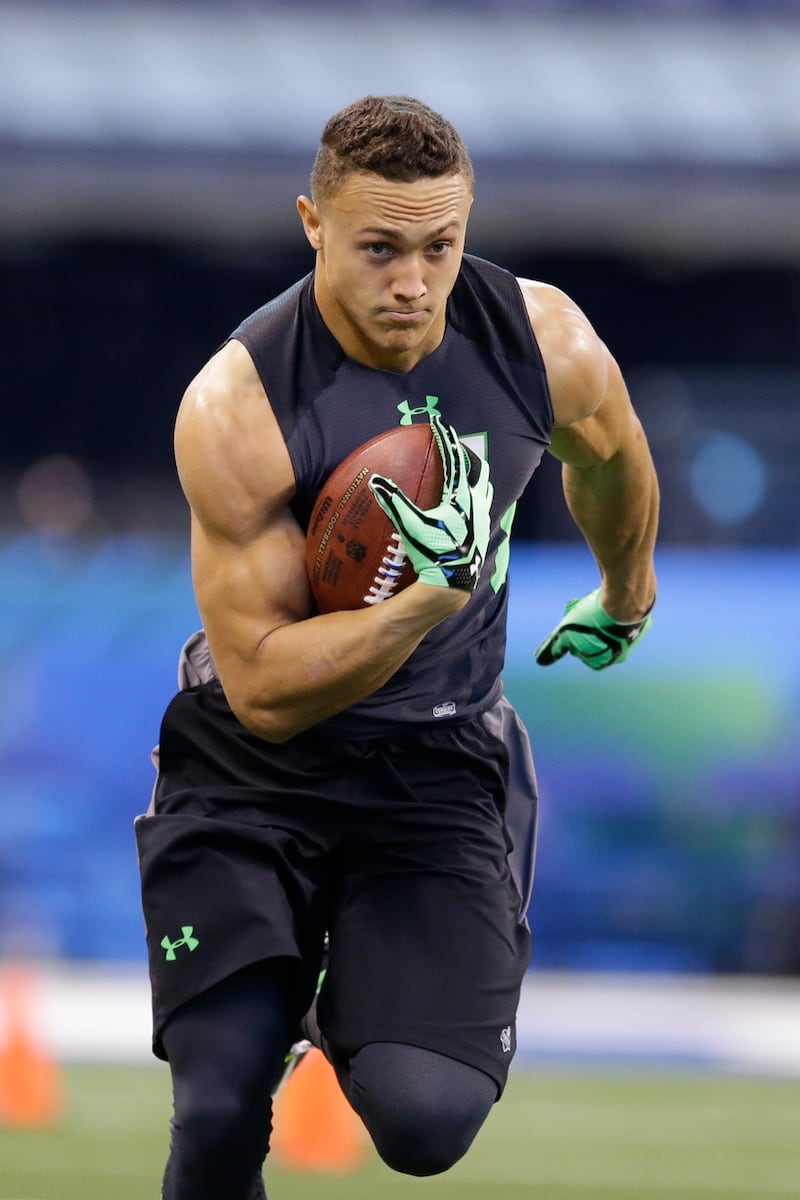
“It wasn’t like we all went to the magic store, bought some magic beans and we all ate them and became good football players. It literally was the three of us working together, working often and working hard. It wasn’t an accident,” Killebrew said. “So we had to have the belief early on that we wanted to, first, work hard together and then, second of all, have a common goal in mind of being the best players we can be — not only on our team, but in the conference and we wanted to be the best in the nation.”
NFL scouts made frequent trips to Cedar City even before the 2015 season kicked off. It was hard to not notice Cowser’s athleticism on the defensive line, Killebrew’s ferocious hits or Sims’s technique at cornerback.
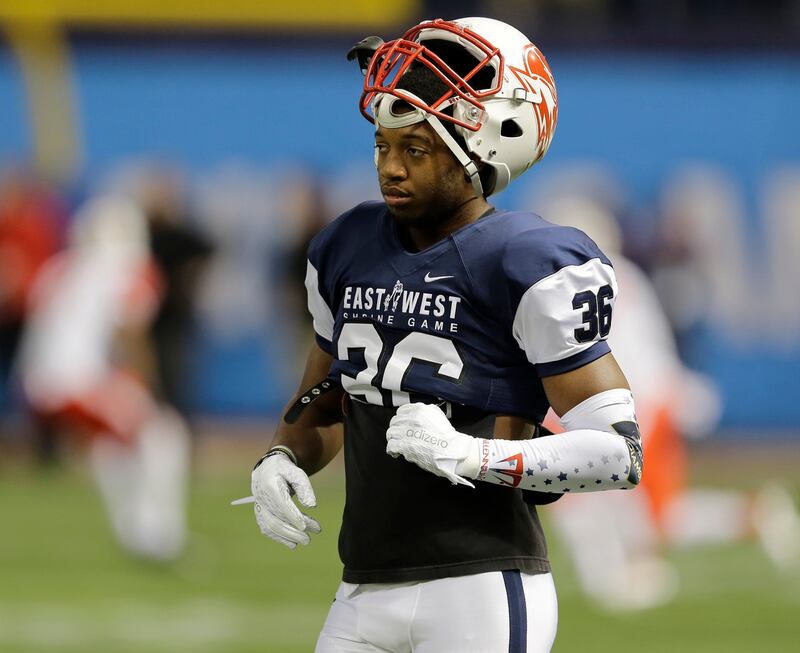
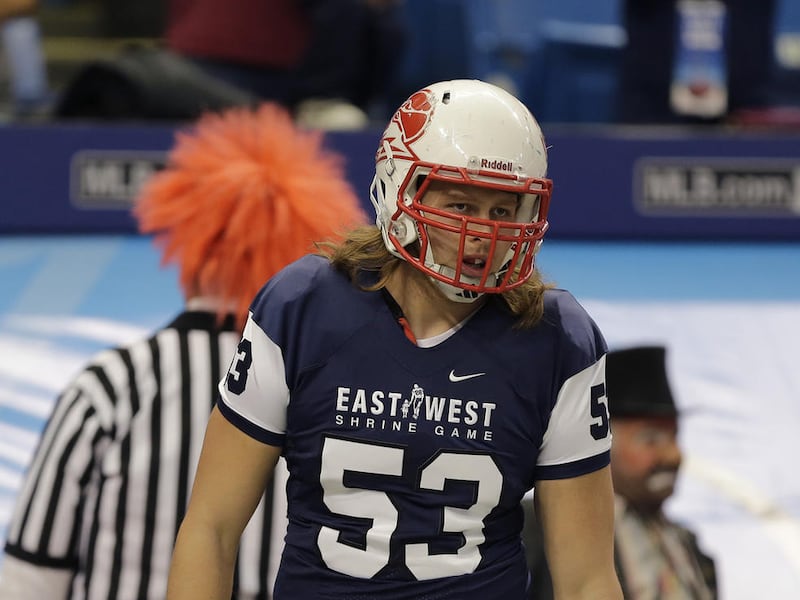
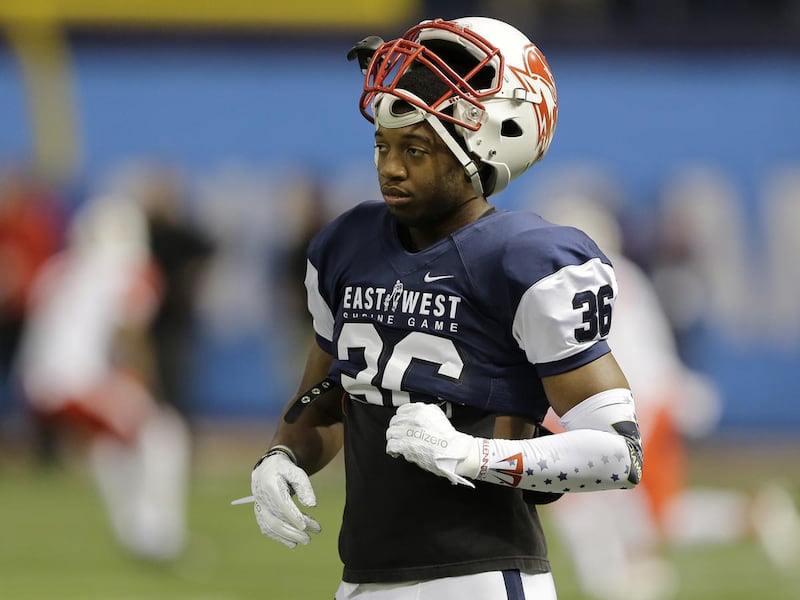
By the time their senior season ended, all three found invites to postseason all-star games, as well as senior quarterback Ammon Olsen, who originally began his career SUU, transferred to BYU and transferred back to SUU for the 2014 season. Olsen went to the NFL PA Bowl, while Cowser and Sims played in the East-West Shrine Game. Killebrew played in the Senior Bowl.
“I know how much work they put in and all the guys put in a ton of work, but those three — to be able to have those three reap the benefits of it and really see the work being paid off in football is an amazing thing for us as a university and a football team those guys will be able to fulfill their dreams that they’ve been working on for so long," Warren said.
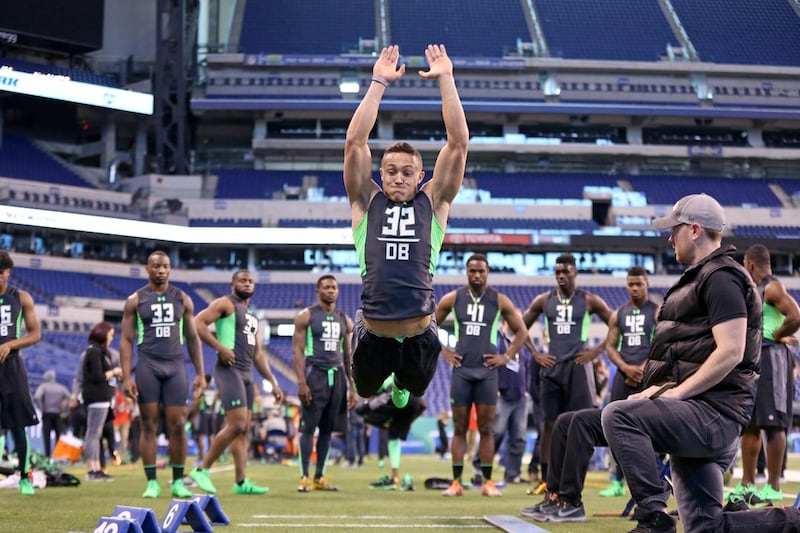
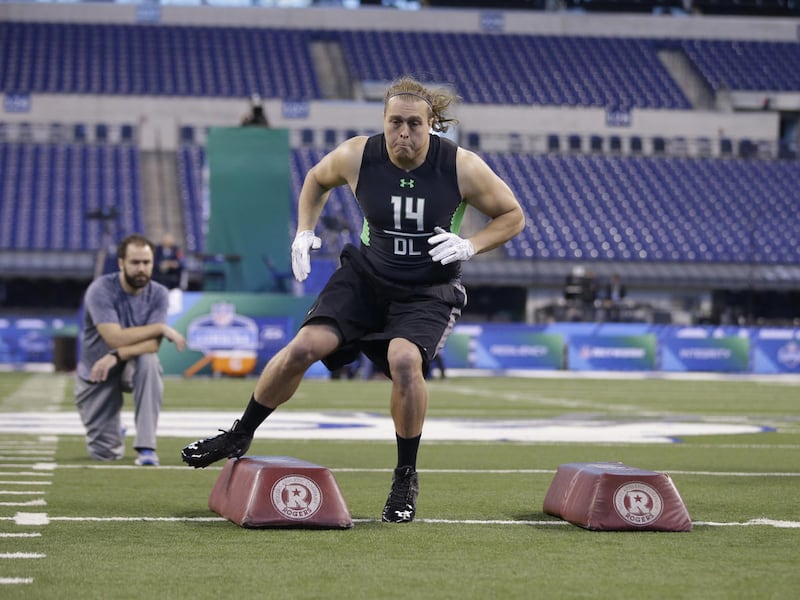
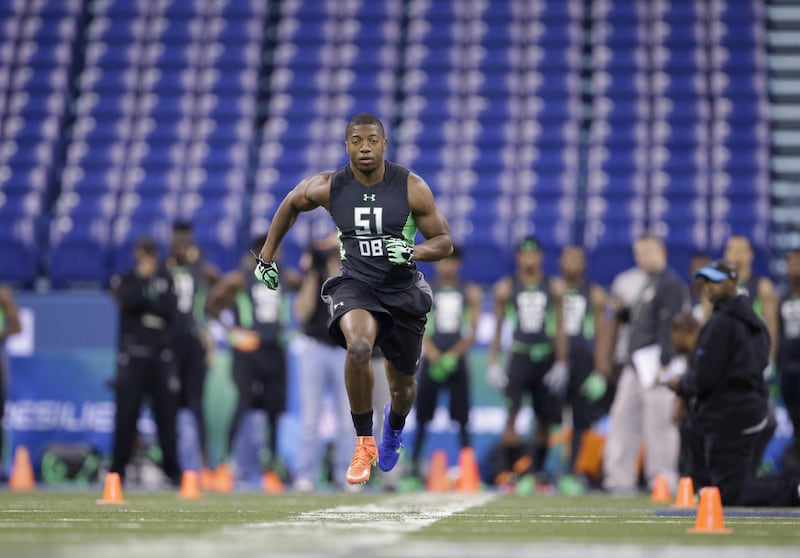
When the defensive trio got invites to the NFL Combine, they joined Sorensen as the only T-Birds to participate in the history of the event.
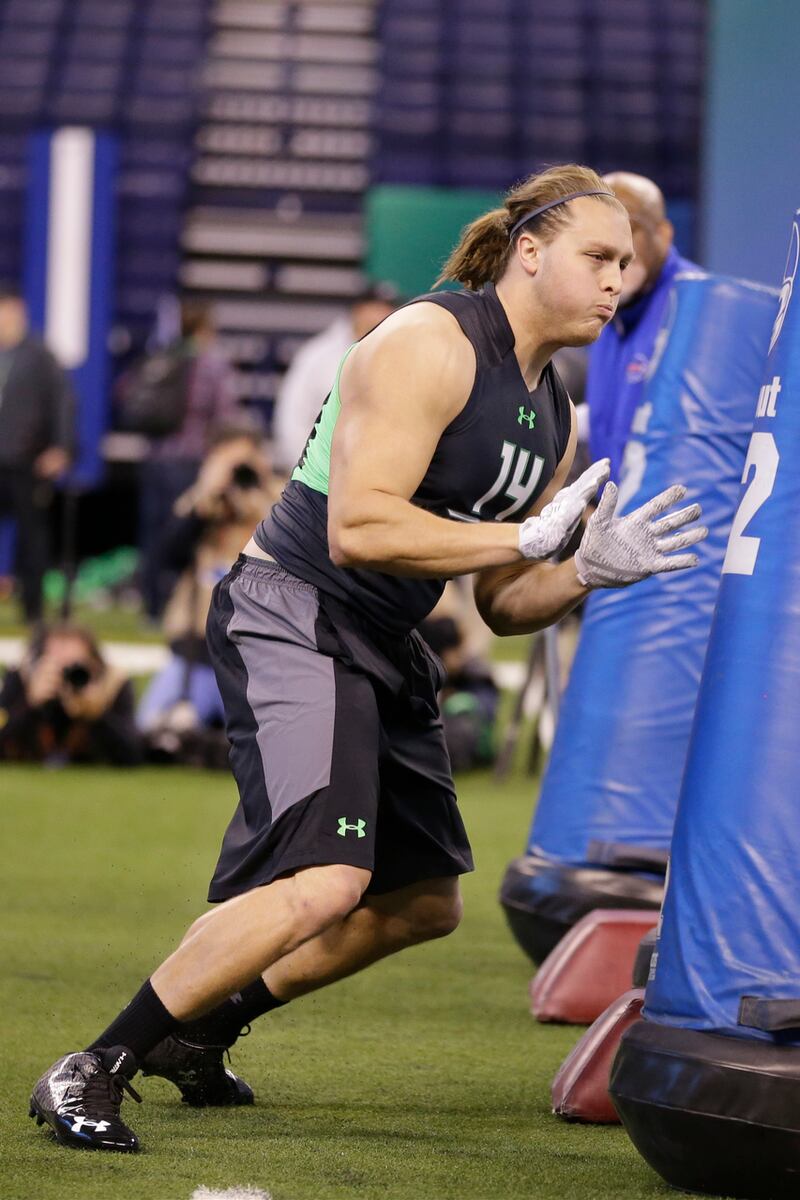
"They're just memories I'm going to cherish," Cowser said, of the whole experience in both the East-West Shrine Game and the combine. "It's been so much fun and I'm appreciative of the opportunities that I've had."
Olsen didn't receive a combine invite, but spent the process working out with former Super Bowl champion quarterback Kurt Warner. He's not projected to be a draft pick, but could very well latch on somewhere after the draft ends.
After those events ended, SUU had enough talent with interest from teams that it conducted its first ever pro day this spring.
At first, Killebrew said he found himself jittery at the combine and at the Senior Bowl, but found ways to calm down.
“I learned pretty quickly that at the end of the day, as long as I’m working to become a better football player and a better person, that’s all I have to worry about,” he said.
The draft process has been a roller coaster of emotions for Killebrew, who said he's learned to deal with ups and downs that come with fame and success. While someone might praise him for what he has accomplished, another might blast him for doing something incorrectly. He laughs as he says the only game of his circulating online is one of the worst he ever played. All of it is why he said he stopped reading internet comments.
Cowser has had a similar experience.
"If you name an emotion," he says of the draft process, "I've definitely felt it."
Draft projections once put Killebrew in the first round, but have dipped since. Cowser, Killebrew and Sims could end up anywhere, or go the undrafted free agent route.
Of course, it's a whole new world for a group that went through the college recruiting process virtually unnoticed. In a recent segment on ESPN's "NFL Live," former NFL coach Herm Edwards picked Cowser as his favorite prospect of the second or third day of the draft. During the combine, Deion Sanders raved about Killebrew on air before going down on the field and chatting with the safety.
“That was one of those moments that just kind of freezes you in time,” Killebrew said. “You’re just like ‘Wow, did that really happen?’ You have to pinch yourself. Am I dreaming? To see these guys talk about me on TV — like I was on Mike Mayock’s top five safety list for the longest time and that’s crazy to me because I remember watching him talk about other guys growing up. … You get all those guys talking and here I am, and my name is in their mouth and it’s like ‘wow that’s crazy.’”
Once a 210-pound lineman frustrated by the lack opportunities out of high school, Cowser said even he's a bit shocked with where he's at now with days left until the draft. His first post-mission goal was to just crack the travel squad, but started every game as a freshman. Each year wanted something just a little more than the previous goal. He wanted to be an all-conference honoree, a defensive player of the year, an all-American and eventually reached all of those accolades.
"I always had hope for the NFL. I always wanted it, but statistics and realities, especially coming from a small school, people would always ask me, 'Do you have a shot at the NFL?' and I'd say, 'I think the opportunity is there, but there's a lot of work ahead of me,'" Cowser said. "That's the attitude I always took toward it. It's going to take a lot of work and I guess I put in some good work."
The impact left on SUU
The faces of Cowser, Killebrew, Sims and Olsen plaster a large banner that covers the west side of SUU’s Eccles Coliseum next to the T-Birds’ 2015 schedule. It hangs majestically over I-15 almost like the football program’s Mount Rushmore, and in many ways, they are that to the program.
A small town recognized more for its natural beauty and Shakespearean theater than success on the gridiron, Cedar City is slowly becoming a football hub. Matt Miller, an NFL Draft expert with Bleacher Report, tweeted in the weeks leading up to the draft, “Southern Utah will have more players drafted than Texas,” and SUU produced as many draft prospects as Texas and Michigan combined during this year's NFL Combine.
Despite having a student body that couldn’t even fill a tenth of Texas’s Darrell K. Royal-Texas Memorial Stadium, which seats more than 100,000, or having a program with the luxuries that come from big-name football, Southern Utah University is now on the map. That has made recruiting much easier for the school’s coaches trying to unearth the next hidden gems.
“When we call recruits, we’re not spending the first five minutes telling them who SUU is and that we had three guys in the combine. You really don’t have to say that anymore,” said Warren, whom SUU promoted to head coach earlier this year after Ed Lamb left to become BYU’s assistant head coach in late December. “People who really care about football — the real football players out there — they know the names Miles Killebrew, LeShaun Sims and James Cowser. So the conversations are a little bit easier now, recruiting after these guys have gotten this much attention.”
Hunt, once helping lead the charge that found Cowser, is now scattering around to find the next one like him, and recruits are willing to listen. Now the team’s defensive coordinator, Hunt said the success from the defensive trio likely helped nab two-star linebacker Bishop Jones, who spurned an offer from his hometown UNLV, an FBS school, to come to Cedar City during the recruiting signing period.
"In his mind, he thought 'I'm going to be the next James Cowser,'" Hunt said. "Whether or not that happens, I don't know. He's a heck of a player, but he's a kid we went out (against) a Mountain West school — you just scratch your head and go, 'There's no way.'"
While each prospect in the draft is fighting for their individual success, SUU's prospects have found themselves carrying the school with them. That's something each is proud of.
“They gave me an area to just grow and to learn and to have brothers with me,” Killebrew said. “Just for that alone, I would say I want to bring (SUU) along; I want to bring them more notoriety. I want more people to know my experience.”
As for a legacy left behind at SUU, Warren doesn’t see Cowser, Killebrew, Sims or Olsen as T-Bird capstones; rather, cornerstones for a program that rose quickly over the past few years.
“I think that’s what their legacy is going to be,” Warren says, “the team that hopefully is the beginning of building a Big Sky powerhouse.”
"I hope it's something special; I hope it like paves the way," Cowser adds.
Others, like Hunt, see it as the team that won SUU its first ever Big Sky football title, especially while running on the smallest budget in the conference.
Killebrew, though, says it’s likely one etched in the group's desire for “unity and excellence” on and off the field that led to major achievements.
“We were all driven to be greater than we were expected,” he said. “Maybe it had something to do with the fact that we were all no-star recruits. I don’t know, but there was something in all of us that we just want to prove everyone wrong, and we also wanted to prove ourselves right.”